With the rising cost of living and a tumultuous job market that leaves many scrambling for steady work, many are seeking alternative ways to earn a living. Whether that involves starting their own business or going back to school to learn new skills, in today’s world, many are becoming creative and resourceful as a way to ensure that funds keep coming in.
According to a recent study conducted by MarketWatch, 51 percent of Americans are seeking new ways to make money through side hustles. Comparatively, Finder.com reported this past month that the United States Census Bureau has processed 2.6 million new business applications so far this year. With statistics like these, it’s evident that many people are trying to increase their income outside of their 9-to-5 job.
One business that’s been experiencing rapid growth is the vending machine industry. Market.us predicts that by 2033, this venture will have an estimated 41.4 billion in global sales, with North America continuing to dominate the market share. This year alone, revenue exceeded 23.2 billion.
Many are turning to starting a vending machine business because it’s a low-stakes way to generate consistent passive income. It doesn’t require the regular overhead costs that other industries experience, such as hiring and paying employees, or dishing out funds for exorbitant rent or advertising costs.
If you’re looking for another lucrative way to make money and want to get your vending machine business up and running this year, check out this guide that’ll help you get started.
Step 1: Research the Industry
When starting any new business, researching the industry you’ll be a part of is crucial. That way, you’ll not only know the basic ins and outs, but you’ll also understand important info, such as the new trends, how to find your target audience, and what the market is currently demanding. In other words, you’ll gain a better understanding of how to operate your business, and you can then use this knowledge to grow and scale.
For the vending machine industry specifically, you can browse sites like Statista and the National Automatic Merchandising Association, which provide in-depth statistics, market reports, and webinars to stay up-to-date with the latest news. With this information, you’ll have the resources you need to move forward with confidence.
Going out around your community is another essential step in doing proper research. Checking out shopping malls, plazas, or recreation centers gives you a better idea of the amount of foot traffic at these places which allows you to make an informed decision about how well your vending machine will do. You can also speak with local business owners to get their take on how well the area is doing and if they have any observations about the demand for vending machines, if some are already set up there. That way, you’ll be able to make an informed decision about where you want to set up shop.
Step 2: Figure Out What You Want to Sell
Next, you’ll want to decide on what to stock your vending machine with. Based on the research you’ve already done, you’ll be able to figure out what exactly it is that you want to sell and where your vending machine will be located.
After making a decision, you can also do some quick research on the brands and companies that tend to sell the most, whether that be Coca-Cola for soft drinks, Snickers for candy bars, or Kind Protein Bars in the health-food sector. You can also look to industry-specific publications, such as Food Dive, Grocery Dive, and Convenience Store News, to see what consumers are gravitating to the most in the current market.
As part of this step, you’ll also want to find the best bulk sellers based on your budget, compare the costs of each item, and calculate profit margins. You can start by reaching out to the big names like Costco, BJ’s, or Sam’s Club, which all sell these types of products in large quantities at a lower price per unit. Similarly, you can also check out specialized wholesalers, such as US Foods and Sysco, which specifically sell food and beverages to small and mid-sized businesses. In some cases, you can buy directly from the brand itself without needing to go through a third-party retailer.
Step 3: Make a Plan
Having a business plan in place is a must when starting out. You can start by creating a simple outline that you can reference as you scale. The outline can include the goals you want to accomplish and how you’ll achieve them, whether that be related to revenue, outreach, or the number of vending machines you want to operate.
Your business plan can also include a spreadsheet to track expenses, such as the price of each vending machine, transportation and installation costs, and how much it’ll cost to re-stock it frequently. You’ll also want to factor in how much money you’ll need to obtain licenses and permits in your state before doing business.
Step 4: Take Care of the Fine Print
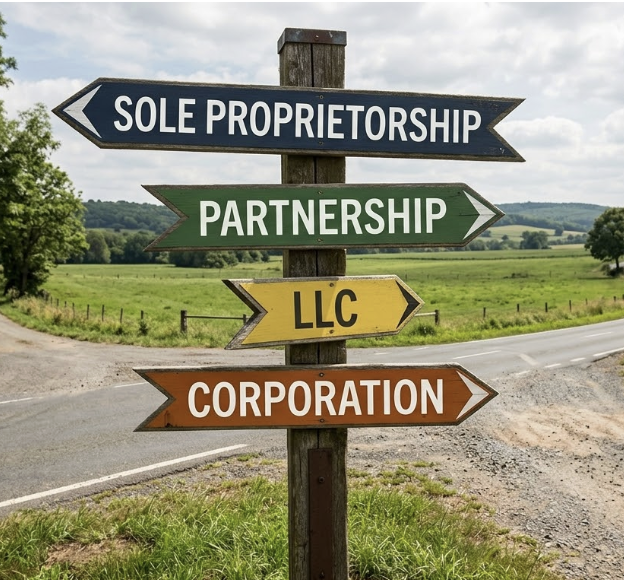
Before you can make any sales, you need to make sure that you can legally do business in the state you plan to operate in. You can visit your state government’s website and check out their business registry to make sure the name you want is still available, and register your business based on the required prompts. Typically, registering a vending machine business as an LLC is the best due to its legal protections and the increased tax flexibility, among other benefits.
Once you get your business paperwork from the state, you’ll then need to apply for an EIN on the IRS website, which allows you to open a business bank account, get any required permits and licenses, apply for a business loan if needed, and hire employees. When working with wholesalers like US Foods or Sysco, you’ll need an EIN to prove you’re a legitimate business and thus, be able to buy at wholesale and not consumer prices.
After setting up your business bank account, you’ll then need to choose a payment processor like Verifone, Apriva, or Nayax, so you can start receiving payments from your machine. These systems can be either pre-installed as part of the machine or purchased separately.
Step 5: Find the Perfect Spot
Based on your research about the best locations in your area to set up your machine, you’re now ready to make it official.
Based on your findings about the best locations in your area to set up your machine, you’re now ready to make it official. If you plan to be in a place like a mall or shopping plaza, you can look up the property owner or management’s contact information.
Before meeting with them, you’ll want to draft a basic proposal you can use so they can get a better understanding of what your vending machine business is offering. You can make note of details, such as the type of vending machine you’ll have, what it’ll include, and how often it’ll be stocked and maintained, so you’ll be ready to share when asked.
If they want to do business, it’s important to have a contract in place. For vending machine businesses, it’s common to either pay a flat monthly fee or give a percentage of your monthly profits, which can range from 5 percent to 25 percent.
Step 6: Get Your Machine
Now that you’ve got approval, you’ll want to get your machine. You can either rent or buy a new one, depending on your budget. Renting a machine can cost anywhere from $100 to $250 per month, while new ones can cost upwards of $10,000 more, based on the brand, model, and its custom features.
You can research machines on sites like Vending.com or eVending and check out their financing and warranty options. When doing your research before buying, you’ll also want to read the reviews of other business owners who’ve used these machines, to see if they held up to standards or if they ended up having issues, so you’ll know what’s best to buy.
If you’re going the rental route, you can check out Craigslist or Facebook Marketplace and browse your local listings. With sites like these, you’ll want to take extra measures to ensure that whoever you’re buying from is legitimate. You can do this by reviewing the seller’s profile to see how long they’ve had the account and if they’ve made any sales in the past.
As an added precaution, you can also ask them to provide the manufacturer’s name and model number, and have them send a current video of the machine. Remember never to send money upfront, whether by check, payment apps like Zelle or CashApp, or wire transfer. Never give out your banking details or other sensitive information. If you suspect something seems “off,” you can block the profile and report the account.
Step 7: Set Up Shop and Scale
Now that you have a contract in place, it’s time to set up shop officially. Once your machine arrives, be sure to test it out and clean it if you bought a used one. Fill it with the items you’re going to sell and test the payment processor (and the cash slot, if your machine has one) to make sure it works properly.
To stay organized, you can create a schedule for when you’ll restock items and perform routine maintenance. As your business grows, you can consider upgrading your existing machine when the time comes and expanding your reach by setting up additional ones around your community.


 Table of content
 Share
Share