When you think about Search Engine Optimization (SEO), you probably think of keyword research and writing great, informative content. But while those are crucial components of on-page SEO, there’s an equally important, less heralded little brother: off-page SEO.
Off-page SEO encompasses all the actions taken away from your own site to positively impact its rankings on Search Engine Results Pages (SERPs). Rather than focus on things you control on the webpage, off-page SEO is all about building external validation signals.
The ultimate goal of off-page SEO is to help establish the authority, trust, and relevance of your website.
Link Building
The most critical component of off-page SEO is link building, which involves earning hyperlinks from other websites that point back to yours. Search engines view a backlink as an endorsement or vote of confidence. In academia, professors cite your work, lending credibility to it. So it is in SEO. When an external website links to your content, it transfers a portion of its authority—often referred to as Link Juice or PageRank—to your domain.
Understanding the type of link you receive will help determine its SEO value:
Dofollow links: These are standard HTML links that tell search engines to follow the reference and pass authority. Most links are dofollow.
Nofollow links: These links include the rel=”nofollow” attribute, which instructs search engines not to pass PageRank. They’re often used in comments, forums, or specific widget placements. While they don’t pass authority, they still drive traffic and provide brand exposure.
UGC/Sponsored: Modern attributes like rel=”ugc” (user-generated content) and rel=”sponsored” help clarify the nature of the link to Google, preventing manipulative practices.
When building links, quality always beats quantity. The value of a backlink relies heavily on the domain authority of the linking site. Getting a backlink from a site with a high domain authority (like a major new publication) is far more valuable than dozens of links from new, low-authority blogs. Likewise, backlinks from websites that are topically related to yours will have more relevance and value.
When using backlinks in your own content, you should make the anchor text (the visible, clickable text of the hyperlink) look natural. You should include some relevant keywords in the anchor text, but it should still read like it fits in the text. Otherwise, you might trigger spam filters.
Other Crucial Off-Page SEO Components
Link building is the primary engine of off-page SEO, but other external factors will also significantly contribute to your overall digital footprint and ranking signals:
Brand mentions: Google can recognize your brand name even if it’s not hyperlinked. Every time a reputable source mentions your business, product, or founder, it acts as a signal of relevance. Monitoring unlinked mentions and requesting a link addition is a common SEO tactic.
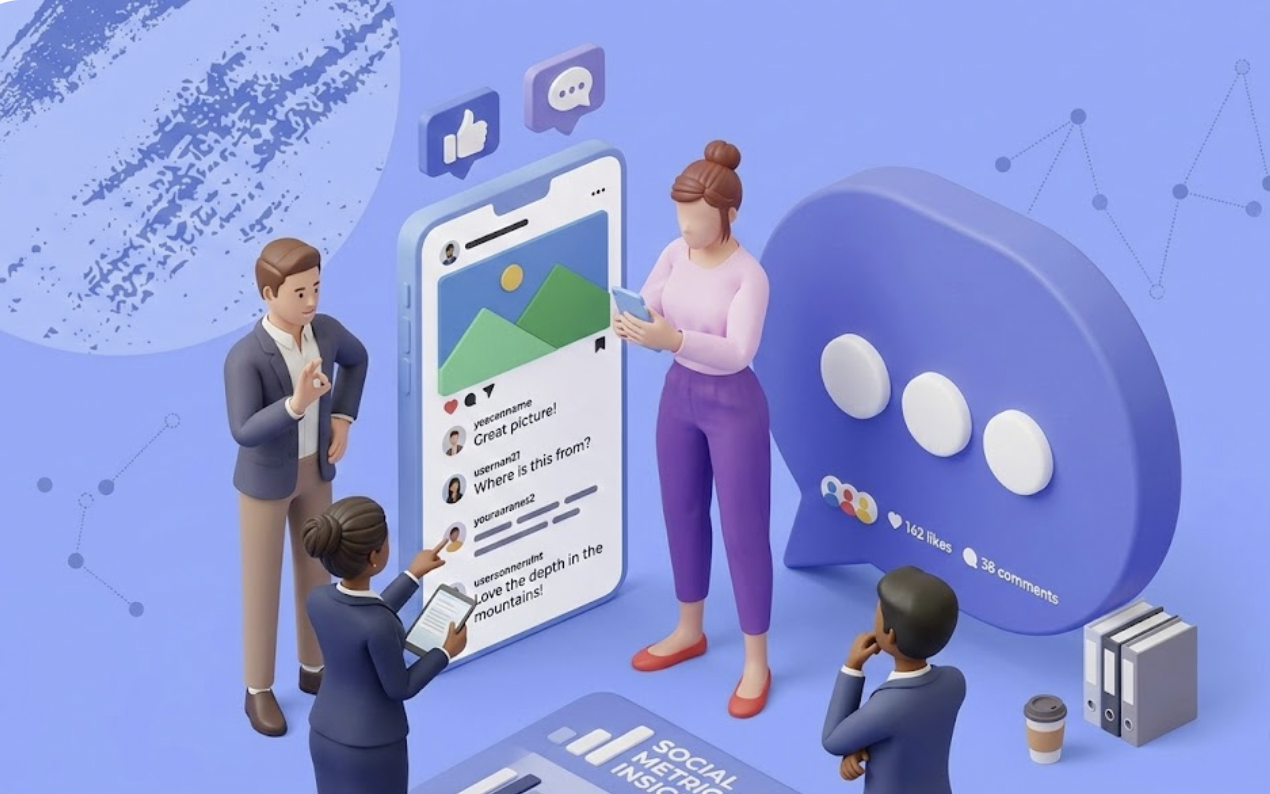
Social media marketing: Social shares, likes, comment, and followers don’t directly impact organic search rankings, but they do provide increased visibility and can help drive traffic to your pages.
Local SEO citations and listings: Citations are mentions of your busines on platforms like Google My Business, Yelp, or industry-specific directories. Ensuring your business name, address, and phone number (NAP) are all identical across platforms validates your business to Google’s local algorithm.
Online reviews: High-quality, frequent reviews on third-party sites like Google Maps, Trustpilot, and Better Business Bureau are powerful signals of customer satisfaction and business legitimacy. These can help Google judge your brand as more trustworthy.
Forum and Q&A engagement: Participating in relevant forums like Reddit, Quora, or industry-specific message boards allows you to demonstrate expertise and drive highly qualified referral traffic. These platforms use nofollow links, but the exposure and trust you build within a community are valuable off-page assets.
Off-page SEO isn’t always within your control, but there are things you can do to turn the tide your way.
Why Off-Page SEO Matters
No SEO strategy is complete without an off-page SEO component. There are several reasons why:
Establishes trust and credibility: Off-page SEO supports your site’s Experience, Expertise, Authority, and Trustworthiness (E-E-A-T), which is a huge contributor to your SERP rankings.
Improves search engine rankings: Almost every top-ranking page on highly competitive keywords as a strong off-page profile backed by high authority links.
Increases exposure and referral traffic: External validation diversifies your traffic sources, making your business less dependent on Google’s algorithmic updates.
Boosts domain authority: Consistent off-page activity builds up your domain’s overall reputation, making it easier for new content to rank later.
While on-page SEO is a great way to target specific audiences with specific search intent, off-page SEO is a broader strategy to raise your site’s authority and trustworthiness on the internet.
FAQs
While link building is the most powerful and time-consuming element, off-page SEO also encompasses social media, brand mentions, directory listings, and online reviews. It’s any external validation that proves your site’s authority.
Off-page SEO is a long-term strategy. It typically takes 3 to 6 months to see significant results from a dedicated link-building campaign because search engines take time to crawl new links and update PageRank scores.
Buying links specifically for SEO benefit is against Google’s Search Essentials. Doing so can lead to manual penalties or algorithmic de-ranking. The focus should always be on earning links through content quality.

 Table of content
 Share
Share