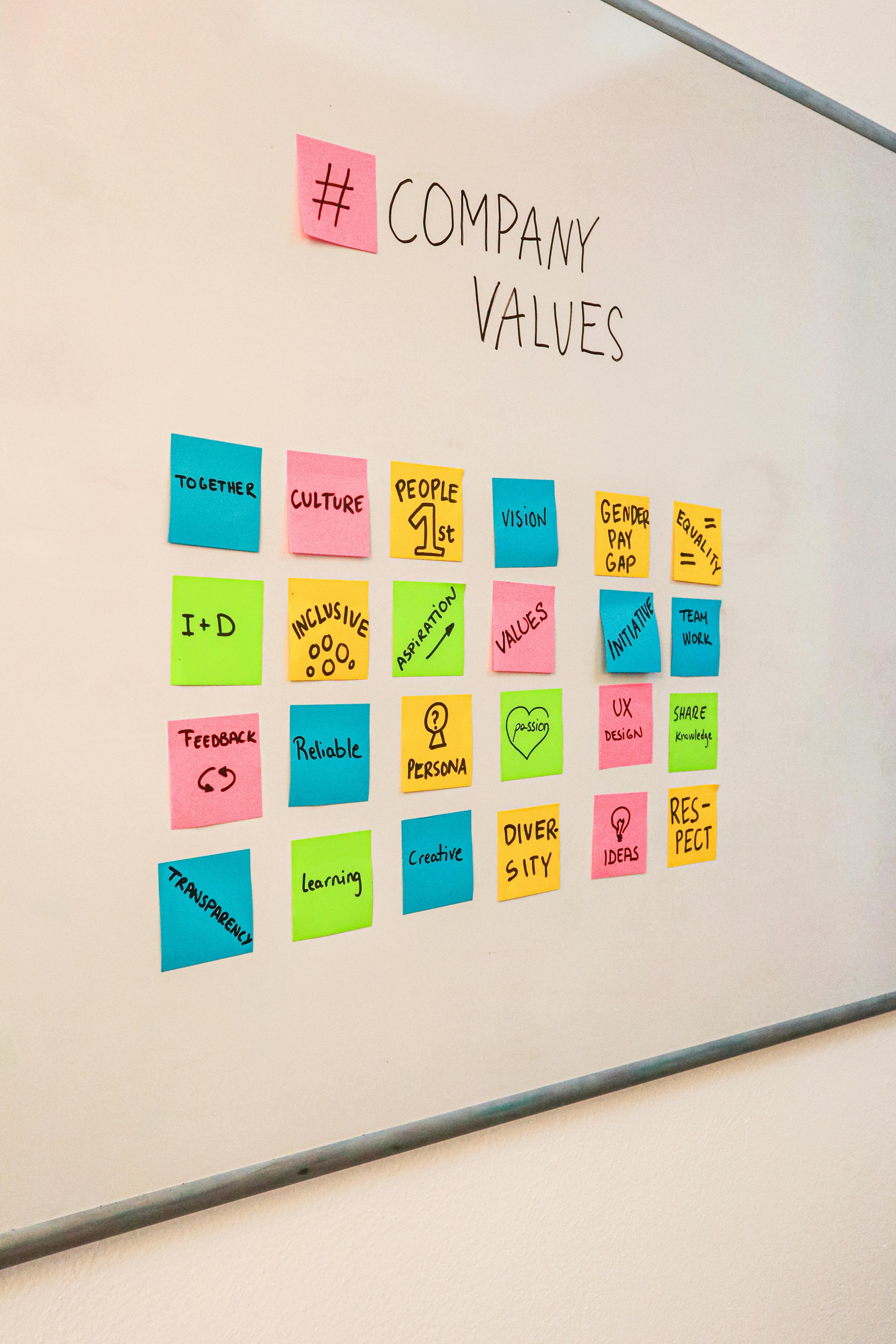
What Is Company Culture and How Can You Improve It?

February 12, 2026

Company culture refers to a company’s shared values, purposes, behaviors, attitudes, and standards. It is commonly described as the personality of an organization or a social operating system. Your company culture is the unique character that sets your company apart from others.
Affirming and reaffirming a positive company culture requires intentional actions and a continuous, strategic process that needs to evolve. As your company grows, your culture must adapt. With advancements over time, your culture changes.
In a positive company culture, communication is transparent, employee wellness is prioritized, and employees feel valued, respected, supported, and proud. Other names for company culture include organizational culture, corporate culture, workplace culture, or business culture.
Gallup found that while only two in 10 employees feel strongly connected to the organization’s culture, 40% of leaders feel fully connected to the company culture. Managers play a critical role in promoting company culture as they translate culture and interpret values to their teams. Employees determine whether a company’s culture is genuine or just words on a page, based on their daily experiences.
Why Company Culture Matters
The purpose of company culture is to guide how work gets done. It shapes behavior, decision-making, and interactions in ways that either support or undermine organizational goals. Since culture influences everyday choices at every level of the organization, its impact depends on clarity, consistency, and authenticity.
“A strong culture isn’t a luxury. It’s a necessity for thriving in today’s business world.” – Justin Wright on LinkedIn
A healthy company culture is associated with many benefits. “A Harvard Business Review study found that companies with a strong corporate culture see a 4x increase in revenue growth compared to companies with a weak culture,” reported Forbes.
According to Fortune, a strong company culture leads to better employee retention, employee health, reputation, communication, and productivity. It can also boost employee engagement, creativity, innovation, and morale. You are more likely to attract top talent when you have a positive company culture, but it takes effort for job applicants to uncover the company culture.
Components of a Healthy Company Culture
Adjectives to describe a healthy company culture include strong, positive, good, great, magnetic, and inspiring. Since every organization has a unique culture, there is no set definition of a healthy company culture, but there are common characteristics. While the labels right and wrong do not apply to company culture, elements of culture will either align or misalign the company.
According to Culture Amp, the six elements associated with a positive company culture are transparency, open communication, inclusivity, accountability, values-based decision-making, and leading by example. AIHR shares 15 characteristics of a healthy culture. Some additional elements that they include are clear purpose and direction, collaboration, active involvement among employees, growth opportunities, recognition, trust, and flexibility.
A healthy company culture prioritizes diversity, equity, and inclusion (DEI) initiatives and fosters psychological safety. When employees feel safe to contribute ideas, raise concerns, and challenge assumptions, work becomes more aligned through shared trust, clearer communication, and stronger collaboration across teams.
What Is a Toxic Company Culture?
A toxic company culture is the opposite of a healthy company culture. When employees experience a toxic company culture, employers experience high turnover rates, low morale, and low employee engagement. The reputation damage from a toxic company culture makes it difficult to hire new employees.
Research from MIT Sloan Management Review (SMR) identified the five elements of a toxic culture. The Toxic Five attributes are disrespectful, non-inclusive, unethical, cutthroat, and abusive. They also identified 20 predictors of a negative culture rating, and seven of the 20 fall in the non-inclusive category. This shows how critical DEI practices are for company culture.
Working in a toxic company culture increases the likelihood of employees experiencing burnout, chronic stress, mental health issues, and physical illnesses and diseases. As a result, the bottom line suffers as employers face higher costs associated with employee healthcare and lower productivity from increased absences.
MIT Sloan School of Management provides four steps for leaders who want to detox their company culture. The culture detox starts by quantifying the benefits of a detox, which means focusing on the bottom-line benefits of a healthy company culture. Next, publicly report the progress. Then, leaders should model the desired behaviors. Finally, use honest data to track progress.
How To Build a Positive Company Culture
Building your company culture starts from the top down. The leadership team defines and sets the tone for company culture. Leaders shape company culture by modeling the desired values and reinforcing them through daily actions. When leading by example, leaders inspire employees, build trust, and set clear expectations.
Your actions matter far more than your words in shaping company culture. “To turn culture into a competitive advantage, it must be actively modeled, reinforced, and evolved at every level,” explains Quantum Workplace.
Data from Great Place to Work identified the eight elements of a great company culture: credibility among leaders, respect, fairness, pride, belonging, effective leadership, values, and innovation. It is also associated with three levels of workplace pride: in your job and the work you do, in the team, and in the company and its reputation. Instead of leading with rules and policies, these companies lead with shared values.
According to WeWork, the following words are commonly used to describe a positive company culture: challenging, friendly, motivating, nurturing, engaging, collaborative, and autonomous. Compile your own list of adjectives that you want to describe your company culture, ensuring that you include unique words to stand out from the competition. Then, share your list with your team to get their perspectives, reactions, and ideas.
Indeed provides 10 steps for creating your company culture. The process starts by defining the company’s purpose and values. Along the way, you will research the competition, get input from employees, and create a vision statement. After you have implemented your plan, recognize and reward employees for their contributions and behaviors. Create and track goals related to company culture metrics.
Seek out new hires who will be a good fit with your company culture and values. When you make smart hiring decisions, you increase the likelihood of retention and avoid the high costs of turnover. You can also inspire changes in your current employees to help them better integrate into your culture.
“Culture isn’t what’s written—it’s what’s lived. If values and behaviors aren’t reflected in decisions, they lose credibility. For culture to thrive, it must be embedded into daily operations, structures, and systems.” – Quantum Workplace
Company Culture Examples
Deel compiled the best company culture examples from top workplaces. At Zappos, shaping culture starts early with new hires, and they provide a $3,000 incentive for employees to quit after onboarding if they are not genuinely committed to their culture. The foundation for HubSpot’s culture is a living document called a Culture Code, which contains traits and updated tenets. The culture at Netflix is built on freedom and responsibility. Spotify’s culture focuses on innovation, agility, and collaboration.
Two examples of company cultures that prioritize wellness were found in an article from AIHR. Evernote holds Wellness Weekends, provides employees with a $1,000 vacation stipend, and encourages vacations to be five days or longer. Buffer requires employees to take off at least 15 days yearly and provides unlimited vacation and sick days.
Ways To Improve Company Culture
Improving company culture starts with members of the leadership team, as they are role models for employees. When leaders consistently model healthy behavior, it has a cascading effect on the behavior of employees. Leaders set the tone for transparent and open communication. However, leaders and employees often need training and support to develop healthy behaviors.
“Culture is behavior. It is not the fluffy words we aspire to. If you want to know your culture, don’t hire a wordsmith. Watch how people actually behave. If you want to change it, focus on incentives.” – Steven Bartlett on LinkedIn
Identify what behavior gets rewarded and what is passed over. Using praise, recognition, and incentives allows you to reinforce desired behaviors. In order to improve company culture, first, you need to gather data about current behaviors and what areas need improvement.
Gather feedback from employees in focus groups, interviews, and employee surveys. Asking effective questions in employee engagement surveys can help you measure company culture. Make your surveys anonymous so that employees will be more likely to share their honest thoughts and feelings without fear of retaliation. Survey results can create meaningful change and increased trust if employers truly listen to the feedback, share it, and quickly act on it.
“Employee engagement serves as a quantifiable measure of the health of a company’s culture and its effectiveness. In a way, engagement presents a report card of your cultural impact – showcasing the successes and failures and identifying areas for change.” – Culture Amp
Harvard Division of Continuing Education recommends outlining a plan for improvement and creating an employee engagement strategy that can be tracked with benchmarks. Create buy-in among employees by soliciting their engagement ideas and then utilizing them. Establish a culture committee and mentorship program to foster employee engagement.
Bink shared three company culture lessons they learned in 2025 while working with clients. First, in employee listening, the width of input is as essential as the depth of insight. This means that you need to get input from employees of all levels, functions, departments, and locations. Second, company culture changes should be co-created with managers. By involving managers early in the process, they become employee advocates with in-depth knowledge about the changes. Third, employees are watching what leaders do more than what they say.
Even healthy company cultures have areas that can be improved. Without reaffirming your culture, a positive company culture can break down. Find out where your culture stands, get a scorecard, and receive tailored advice by taking this 18-question test from Quantum Workplace.
Your company culture should evolve, and how you respond to changes matters. Employers play a critical role in supporting employees through periods of adaptation. By consistently monitoring and reinforcing company culture, organizations create environments where both employees and employers can thrive.

Take a look at our news on Human Resources

by Sandra Robins

by Sandra Robins

by Sandra Robins

by Sandra Robins

by Shanel Pouatcha

by Sandra Robins

by Sandra Robins

by Sandra Robins

by Sandra Robins

by Sandra Robins

by Sandra Robins

by Sandra Robins