What Are the Core Functions of Human Resources?

October 2, 2025


Human resources have a vast scope of functions that are constantly evolving. We recommend classifying them in these seven main categories with several subcategories.
The core human resources functions can be handled by an in-house HR department or outsourced. HR professionals engage in frequent internal communications with employees and management to successfully perform the numerous human resources functions. In this article, we’ll break down the various responsibilities of HR departments.
Recruitment
From writing job descriptions and posting jobs to reviewing applications and interviewing, the recruiting process is labor-intensive and time-consuming. According to Impact Staffing, “U.S. businesses spend an average of 35 days filling vacancies.” Employers can streamline the hiring process with recruiting software that uses advanced AI features.
Staffing agencies can help businesses quickly fill some positions, freeing up valuable time. Background check agencies enhance the efficiency and accuracy of the comprehensive verification process for new hires. Inclusive job listings, skills-based hiring, behavioral interview questions, and AI software can help employers increase diversity hiring and reduce bias.
Compensation and Benefits
The compensation and benefits function determines employee pay and decides what benefits, perks, commissions, bonuses, and incentives will be included in the compensation plan. A total compensation package includes base salary, bonuses, and commissions, plus indirect compensation from benefits and other perks such as childcare assistance, tuition reimbursement, and paid time off (PTO).
Offering competitive compensation packages helps employers to attract and retain top talent. Compensation and benefits specialists design, manage, and administer pay and benefits. This includes fair and competitive pay, correctly classifying contractors and employees, salary transparency, and pay raises.
These specialists decide what benefits to offer, how to structure paid time off (PTO) policies, select cost-effective providers, and manage open enrollment. They explain complex benefits in simple terms to employees and their families, while managing requests and legal compliance for many types of paid and unpaid leave, such as FMLA leave and bereavement leave.
HRIS and Payroll
A human resources information system (HRIS) is software that centralizes employee data and automates HR administrative processes in different areas, such as recruiting, talent management, benefits, and payroll. HRIS drastically reduces the payroll processing time and can integrate with time and attendance software.
Payroll specialists manage all aspects of paying employees, from compliance with minimum wage and overtime laws to issuing paychecks and deciding on pay frequency, such as biweekly or semi-monthly pay. Choosing HR software depends on your company’s size, needs, budget, and features.
Managing the Employee Life Cycle
Human resources is responsible for overseeing the entire employee journey, from recruiting to exits. The functions can be handled by HR generalists or specialists with varying HR job titles. There are many distinct stages within the employee life cycle. We recommend using these subcategories when classifying HR functions. Human resources can streamline the many aspects of the employee life cycle with talent management software.
Onboarding
Before new hires start their first day of work, onboarding activities begin. HR manages the planning and scheduling of onboarding, which is defined as the process that integrates new hires into your organization. Devlin Peck reports that “69% of employees who have an exceptional onboarding experience are likely to stick around for at least 3 years.” With one-fifth of new hires quitting within their first 45 days, the effectiveness of onboarding programs has a significant impact on retention.
Training and Development
One of the best ways to improve the skills of employees while fostering career growth and productivity is to focus on training and development. After identifying needs, an HR department designs, delivers, monitors, and evaluates training programs. Forbes explains how companies can create a culture of training and development using four popular methods: on-the-job training, seminars, mentorship, and e-learning.
Employee Engagement
The extent to which employees are committed to the organization and motivated to do their best work is called employee engagement. HR professionals focus on creating, implementing, and evaluating strategies to enhance employee engagement. The University of Oregon shared several strategies to keep employees engaged, including prioritizing communication and peer-to-peer recognition programs.
Stanford’s Manager Toolkit shows the significant role that managers also play in employee engagement, especially during challenging times. By using employee survey tools, HR professionals can do pulse checks and measure the effectiveness of employee engagement strategies.
Employee Wellness
Employers need to prioritize supporting employee wellness and mental health while creating an environment of psychological safety. Employee wellness programs are holistic approaches led by HR to address the mental, physical, and social health needs of employees. HR ensures that employees have the resources they need, including flexible work options, employee assistance programs (EAPs), and a supportive and empathetic company culture. Successful employee wellness programs have many benefits, such as increased productivity, morale, and retention.
Performance Management and Appraisal
According to UC Berkeley, “Performance management is an ongoing process of communication between a supervisor and an employee that occurs throughout the year, in support of accomplishing the strategic objectives of the organization.” The focus is on collaborative goals, continual feedback, development, and monitoring progress.
Performance management focuses continuously on the employee as a whole in the present and future, while performance appraisal focuses on reviewing past job performance, typically in an annual evaluation. HR is involved in both performance management and performance appraisal.
Recognition and Rewards
Human resources helps facilitate recognition and rewards programs to increase employee engagement, wellness, and retention. They advise managers and C-suite executives on how and when to recognize and reward employees. “The most memorable recognition comes most often from an employee’s manager (28%), followed by a high-level leader or CEO (24%), the manager’s manager (12%), a customer (10%), and peers (9%),” reports Gallup.
Retention
At every stage of the employee life cycle, human resources professionals strive to increase job satisfaction and decrease the likelihood of employees leaving the company, thus avoiding the high cost of turnover. Applauz reports that “the costs of replacing an individual worker can range from half to four times the employee’s annual salary.”
Effective internal communication helps keep employees happy and informed about benefits, resources, and news. Onboarding, training, career growth and promotions, employee advocacy programs, recognition, and compensation packages all have a positive impact on employee retention.
Offboarding
The process that HR follows for employees who are leaving the company by termination, resignation, or retirement is called offboarding. This includes finishing work, transitioning projects, turning in equipment, deactivating passwords, completing paperwork, explaining policies such as COBRA, NDA, and non-compete clauses, thanking employees, conducting exit interviews, and providing separation notices. An offboarding checklist can be used to keep track of the many items involved in offboarding.
Exit interviews contribute to smooth transitions, enhance compliance with laws, and maintain good relationships. During exit interviews, HR gains valuable information about why employees are leaving and can use it to revise their retention strategies. The usefulness of the information obtained depends on the exit interview questions you choose to ask.
Employee and Labor Relations
Employee relations focus on preventing and resolving conflicts between employees and management. Labor relations focus on managing the relationship between employees and unions. The U.S. Department of Labor’s Office of Labor-Management Standards (OLMS) “promotes union democracy, protects union assets, and advances labor-management transparency.” The HRPA guide explains the evolving role of employee relations and labor relations functions in HR.
Legal Compliance
Human resources is responsible for ensuring compliance with many federal, state, and local laws. Disastrous consequences will result from non-compliance, including lawsuits, penalties, fines, and reputation damage. Workplace discrimination laws, wage and hour laws, employee benefits laws, immigration laws, and workplace safety are the five legal categories that Northeastern University recommends that every HR professional should know.
Compliance with labor laws impacts almost every HR function, especially filing reports, worker safety, and preventing discrimination. Within compensation, benefits, and payroll, compliance issues include overtime pay, minimum wage, salary transparency, unpaid and paid leave, exempt and non-exempt employees, and contractors vs. employees classifications.
When terminating employees, employers must know the laws surrounding layoffs, paying out accrued leave, continuing health insurance under COBRA, and how to avoid illegal reasons for firing employees. They should provide departing employees with proper documentation, which can minimize the risk of lawsuits and impact unemployment insurance determinations if fired.
Organization Structure, Policies, Strategies, and Reporting
Human resources creates a vast array of policies and strategies that impact the employee experience and then uses data to measure and report on their outcome. Placing employee handbooks, organizational charts, and benefits information on an intranet makes it easier for employees to locate and access the information whenever they need it.
- Company policies: HR develops clearly defined company policies and compiles them in an employee handbook. Policies cover every aspect of company life, such as attendance, pay, benefits, conflict resolution, and explaining dress codes, like business casual.
- HR planning: The strategic process of anticipating future workforce needs and aligning talent with business goals and objectives is called HR planning.
- Organizational chart: HR creates and maintains organizational charts so that every employee can clearly see and understand the hierarchy of the organization.
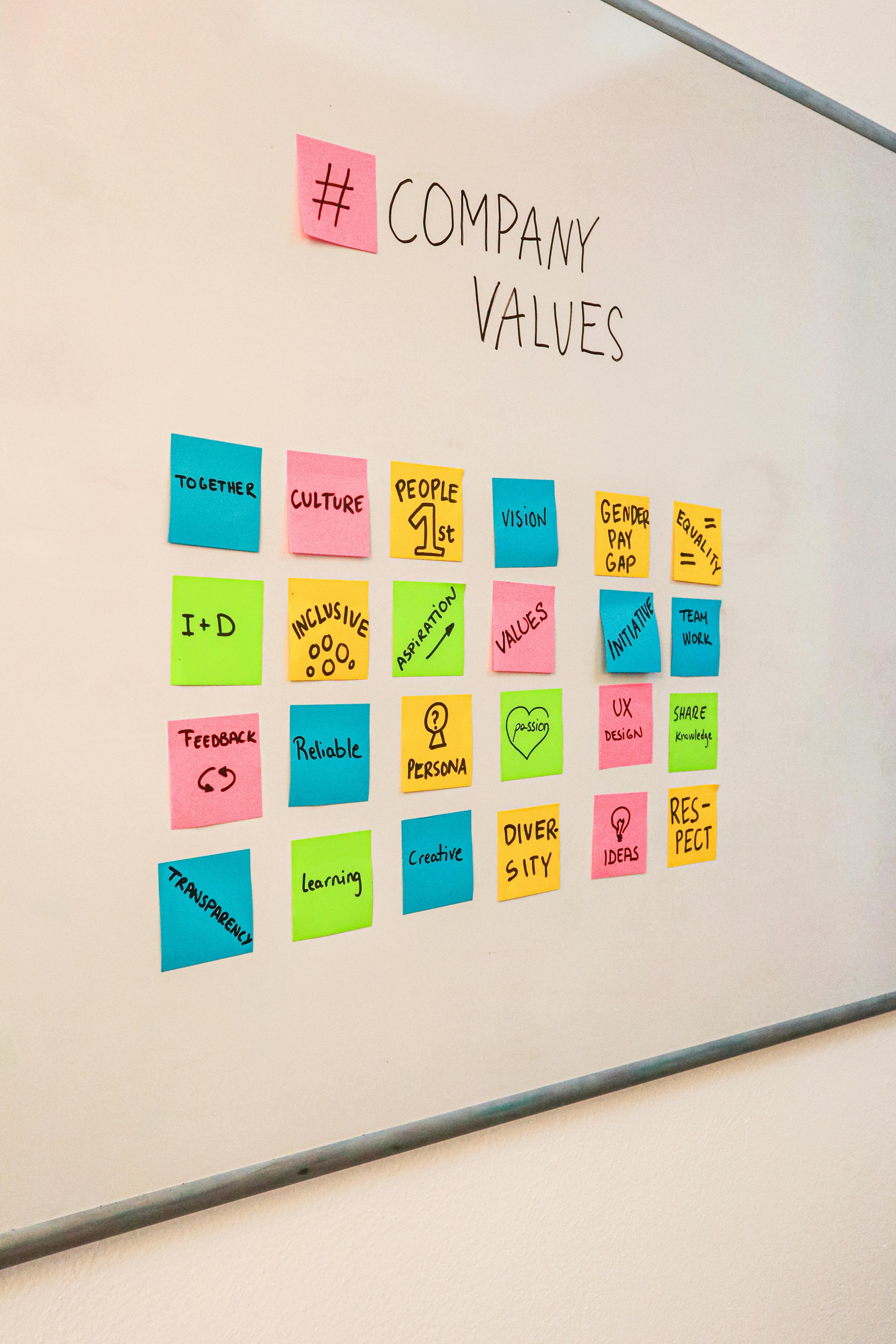
- Company culture and values: Internal communications and human resources work together to foster a positive company culture with strong values.
- DEI: Employers need diversity, equity, and inclusion (DEI) initiatives to foster a positive company culture where all employees feel respected, valued, included, and treated fairly. With continuous action over time and strategies embedded in every area of human resources, companies can make meaningful DEI changes.
- Reporting and data-driven strategies: HR compiles employee data from a variety of sources, including employee surveys and HRIS. Analytics and reports are used to develop data-driven strategies and measure success.
Human resources professionals work closely with every department and the management team to fulfill the many functions necessary for a successful employee journey. Regardless of how you decide to classify and handle the many HR functions or if you decide to partner with a PEO service, human resources are essential for organizational success.
 Latest resources
Take a look at our news on Human Resources
 by Sandra Robins
 by Sandra Robins
 by Sandra Robins

 by Nick Perry
 by Sandra Robins
 by Sandra Robins
 by Nick Perry
 by Sandra Robins
 by Sandra Robins
 by Sandra Robins
 by Sandra Robins
 by Sandra Robins