Motivating people is an art. It’s not just about high-energy, sweat-inducing pep talks or carrots and sticks. It requires a more nuanced understanding of human psychology. Motivation is the alignment between an organization’s goals and an individual’s internal needs. It’s a delicate dance to make these two forces pull in the same direction. Motivated teams are 18 to 21% more productive, so you should be asking yourself, “How do I motivate my team?”
Intrinsic vs. Extrinsic Motivation
To be an effective leader, you have to be able to distinguish between what drives people from the outside and what fuels them from within. You need to understand both extrinsic rewards and intrinsic drivers.
Extrinsic rewards: Salary, bonuses, and titles are hygiene factors. While their absence derails motivation, their presence alone isn’t enough to inspire greatness. They’re baseline requirements for a job, not real motivators.
Intrinsic drivers: True engagement comes from autonomy, mastery, and purpose. Employees want to feel self-directed, motivated to get better at something, and that they have a purpose in what they’re doing. Employee advocacy is crucial.
The most successful leaders focus on building an environment where intrinsic motivation can flourish. Here are eight strategies to help you do exactly that.
Strategy 1: Cultivating Psychological Safety
When employees believe they won’t be punished or humiliated for speaking up with ideas, questions, concerns, or mistakes, they feel psychologically safe. Innovation thrives in an environment like this.
Leaders who encourage active feedback and normalize failure create environments where employees feel safe to try new approaches. Feedback should be a two-way street. Failure should be an opportunity to gather data rather than a disciplinary event.
Strategy 2: Goal Alignment and Clarity
Every team member should understand how their daily tasks contribute to the company’s mission. Nobody can be motivated by a target they can’t see. Whether it’s through organizational key performance indicators (KPIs) or SMART goals set at a team level, team members should understand their objectives and have a transparent view of how their work impacts the company.
Strategy 3: Autonomy and Trust
Micromanagement slows down teams and drains their energy. 46% of workers say micromanagement is a reason to leave a job. Individuals need an opportunity to show their value and feel ownership. Set the destination and the standards, but delegate responsibilities to team members and let them choose the way to reach the destination.
Strategy 4: Recognition and Growth
Employees who receive regular praise are 45% less likely to leave their jobs. Praise is a crucial tool for employee retention, but only if it’s handled with care. Some people love public shout-outs; others find them cringeworthy. Good leaders know how to recognize each person on their team in the way they like.
Don’t wait for the end of a project to recognize work. Acknowledge the incremental progress that keeps the long haul manageable.
Strategy 5: Building a Community
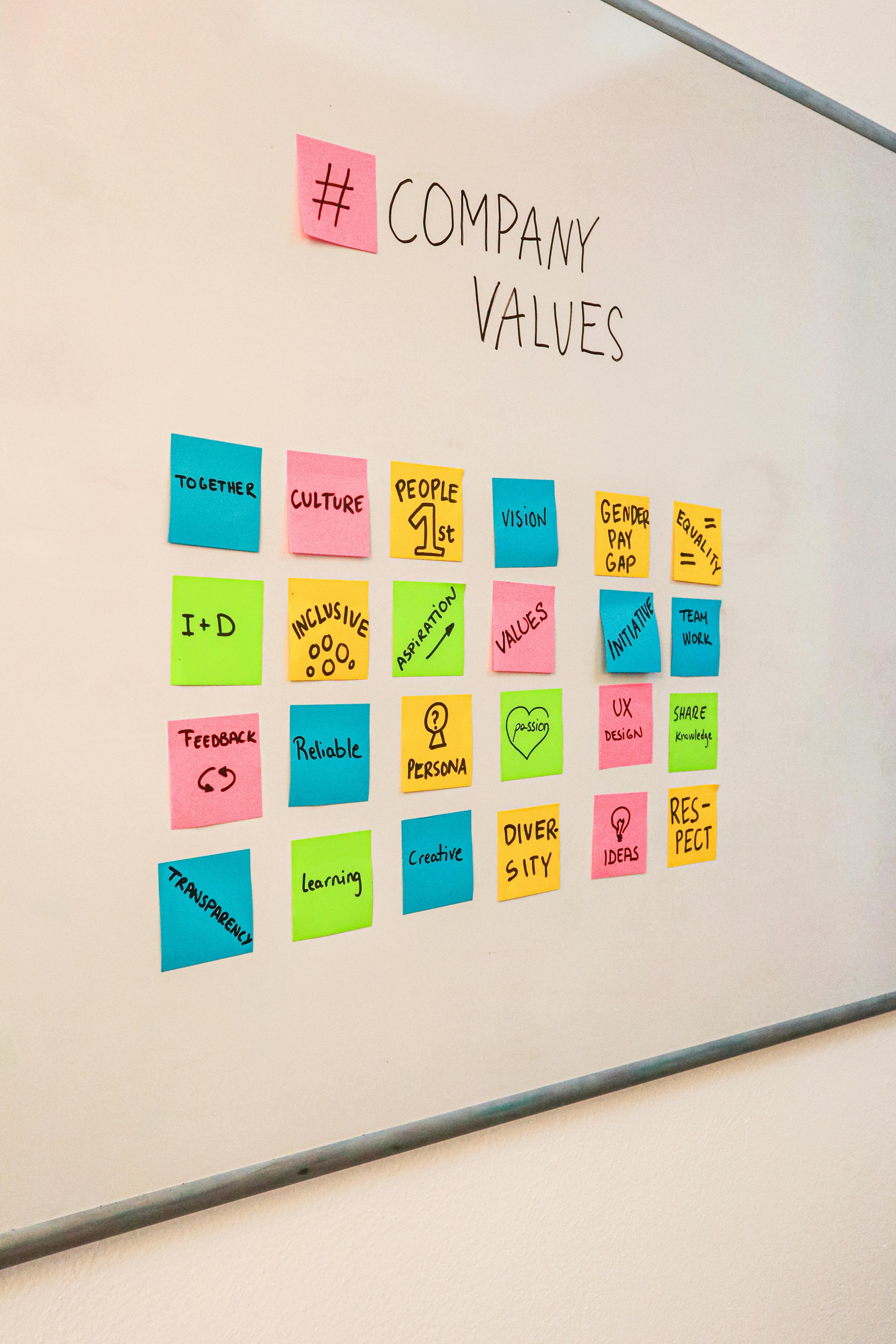
Humans want to feel part of a tribe with shared values. We’re social creatures. Making sure your team understands the company’s mission and vision statements, and how they factor into the organization’s success, builds a community of shared values.
Create space for non-work interactions. Whether it’s a happy hour, special lunches, or a special event, teammates should have opportunities to get to know each other in a more personal context. When they feel closer to one another, they’re more likely to support each other during high-pressure periods.
Strategy 6: Radical Empathy and Well-being
Between hybrid and remote workforces and the increasing demands of modern life, the line between personal and professional lives is thinner than ever. Leaders who understand that will be better motivators. Invest in whole-person management. Great motivators understand that life events—illness, family stress, or personal milestones—impact work. A leader who shows empathy during a crisis earns lifelong loyalty. Beyond encouraging people to take a break from time to time, take an active role in monitoring employee workloads. Fortune has found that up to 82% of employees are at risk of burnout. Encourage breaks, but also model healthy behavior by unplugging yourself after work.
Strategy 7: Resource Advocacy
Nothing kills motivation faster than job friction. If an employee’s job is way harder than it should be due to outdated software, excessive meetings, and data silos, it’s a leader’s job to break down those barriers. Great motivators clear the path, providing the tools to do the job and protecting the team from corporate noise and politics so they can focus on the work they were hired to do.
Strategy 8: Inclusive Contribution
Motivation thrives when people feel their voice actually matters. Make time for junior and entry-level employees. Invite them to contribute during brainstorming sessions and receive their ideas and suggestions with open ears. Don’t just look for yes-people. Encourage proactive discussion about plans and socratic dialogue on strategy. Creating an inclusive environment helps foster a sense of collective responsibility for the outcome.
FAQs
Start with an exploratory, non-accusatory 1-on-1. Often, checking out happens due to a misalignment between an individual’s strengths and their current tasks. See if you can realign their responsibilities to better match their skills or interests.
Absolutely. Stretch goals can become stress goals if they’re unrealistic. If a team feels that success is mathematically impossible, why would they keep busting their butt on the project? Balance high expectations with high support.
Sincere, specific, and timely verbal recognition. Saying “Great job today” is okay; saying “I really appreciated how you handled that difficult client question in the meeting—it saved the deal” is even better.


 Table of content
 Share
Share