Every purchase begins somewhere. No, not at the checkout counter. Whether it’s a rumbling stomach or a perfectly timed Instagram ad, every buyer’s journey begins with some kind of impetus. Once upon a time, marketers relied on the linear AIDA model (Attention, Interest, Desire, Action) to map the way a person moves through a purchase. Today, however, the process is more complex.
To succeed in a saturated market, brands must understand the psychological framework that explains how individuals move from identifying a problem to becoming a brand advocate. We break down that five-stage process here.
Stage 1: Problem Recognition
The process begins the moment a consumer realizes that they want something. Sometimes, this could be subconscious. Problem recognition is triggered by two types of stimuli:
Internal stimuli: Natural physiological needs such as hunger, thirst, or the exhaustion that prompts a search for a new mattress.
External stimuli: Environmental cues, such as the smell of a bakery, a neighbor’s new car, or a targeted YouTube advertisement.
At this stage, there are virtually countless resolutions to any perceived problem. For marketers, the job is to highlight a pain point. Effective marketing creates a sense of urgency or reveals a need that the consumer hadn’t yet identified. Better yet, it recognizes the stimuli that frequently lead to purchases, whether it’s the smell of baked goods or an invitation to lay down on a mattress.
Stage 2: Information Search
Once the consumer has identified a need, they start looking for something to solve that need. Sometimes, that’s just a trip to the grocery store or local mall. Today, it’s often more complicated than that. 22.8% of shoppers research products five or more times before actually making a purchase. That involves both an internal search (“What brands do I already know?” and an external search (search engines, social media, and review sites).
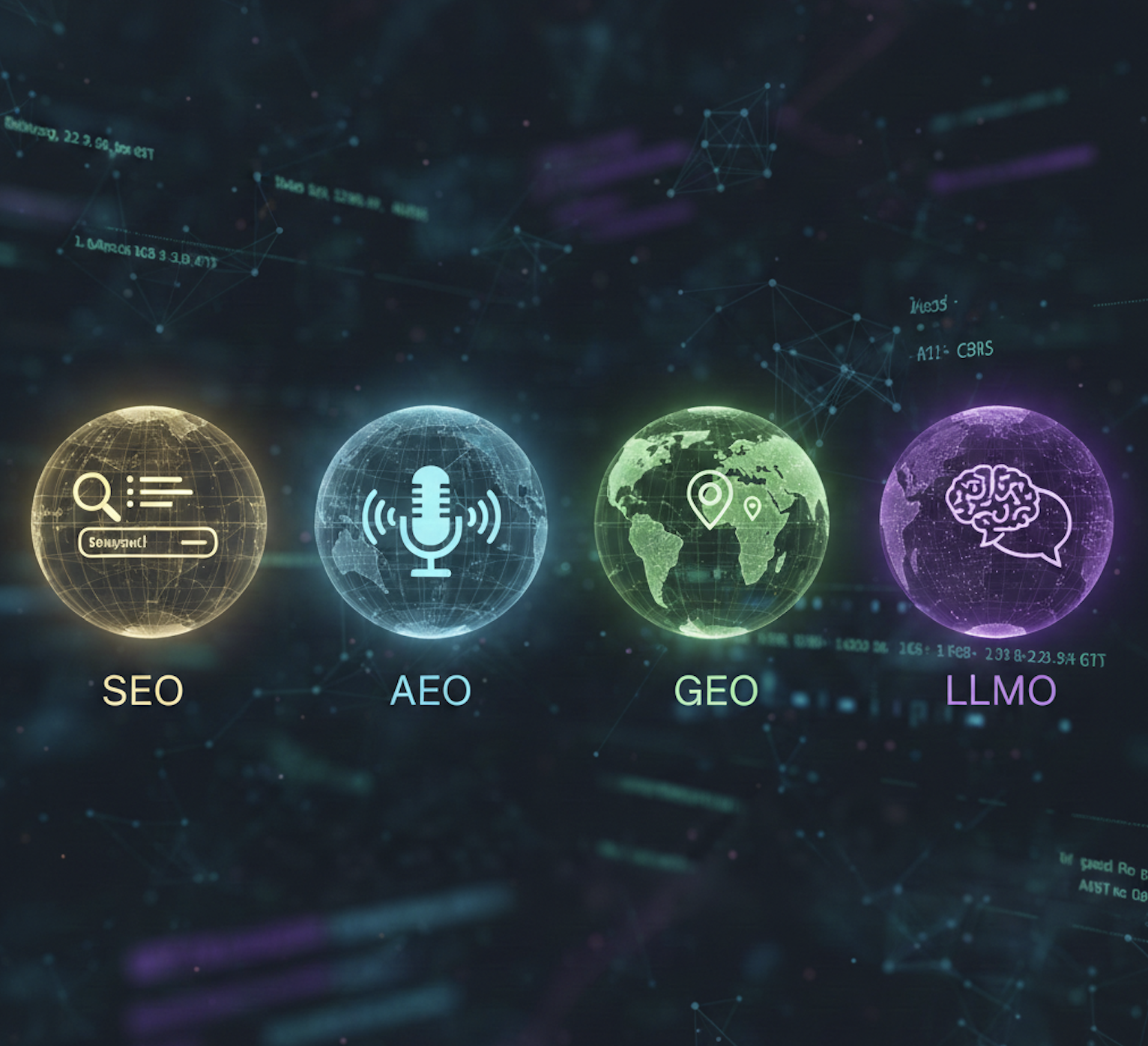
In today’s AI-driven world, the rise of “zero-click” search has made information search simpler for consumers but more complicated for businesses. Consumers can find answers through AEO or GEO search rankings, allowing them to find answers to questions without ever visiting a brand’s website. Businesses have to ensure that their information and marketing campaigns reach across the entire digital ecosystem.
Stage 3: Evaluation of Alternatives
With information in hand, the consumer now has a consideration set—a handful of brands that might solve their problem. They begin weighing options against specific criteria. These include objective factors, like price, technical specifications, and delivery speed, as well as subjective factors, such as perceptions of brand prestige, aesthetic appeal, and social proof.
Google refers to this area as the “Messy Middle”—a space where consumers loop between expanding their options and narrowing them down. It’s messy! Brands that provide clear, comparative data and strong emotional narratives through testimonials stand out in this stage.
Stage 4: Purchase Decision
Finally, the consumer chooses a winner. However, intent to buy isn’t the same as a complete purchase. Two major factors can still derail a purchase:
Negative feedback: A last-minute comment from a trusted friend or a fresh 1-star review.
Friction: A complicated checkout process, unexpected shipping costs, or a lack of preferred payment methods.
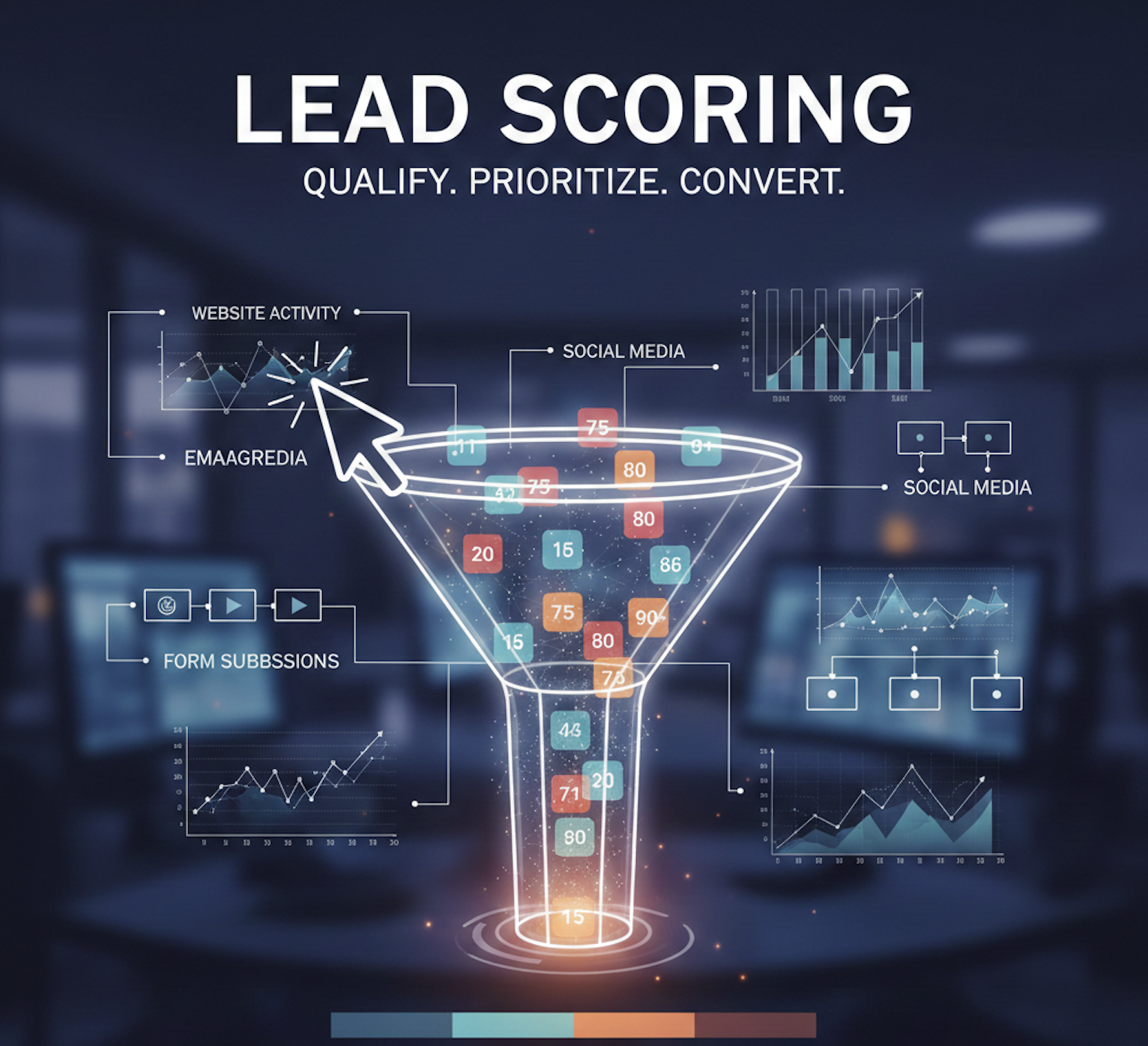
You should always be optimizing your channel management to ensure you’re providing the most seamless marketing funnel possible for prospects. Keep an eye on analytics like conversion rate, bounce rate, and click-through rate to see where people are falling off through your digital journey.
Stage 5: Post-Purchase Evaluation
The process doesn’t end when the credit card is swiped. Studies suggest it’s five to seven times more expensive to get a new customer than it is to keep an existing one. After converting a prospect into a customer, it’s time to maximize their lifetime value.
During this stage, you want to not only keep the customer but turn them into an advocate for your brand. Encourage testimonials by following up after purchase, and invite customers to give word-of-mouth referrals. Provide clear user guides and proactive customer support to mitigate the chances of buyer’s remorse.
A successful post-purchase phase turns a customer into an advocate, effectively feeding the problem recognition stage for other potential buyers in their social circle.
FAQs
The duration varies widely depending on the level of involvement. A low-involvement purchase (like a candy bar) might take seconds. A high-involvement purchase (like a home or software system) can take months or even years.
Yes, it often happens with impulse buys or regular purchases. If you always buy the same brand of milk, you skip the information search and evaluation stages, moving directly from problem recognition to purchase.
The post-purchase evaluation stage. While the purchase brings in revenue, the post-purchase experience builds the brand.


 Table of content
 Share
Share