The internet has created a digital payment landscape that’s made payment easier than ever, but also more complex than ever. There are digital wallets, credit cards, cash payments — all of which are useful methods for businesses that accept payment at the time of order placement. But other business models may demand a different kind of payment: Cash on Delivery (COD).
Cash on Delivery is a payment method in which customers pay for goods at the time of delivery rather than when they place the order. Basically, customers don’t pay until the product is physically in their hands or the service has been rendered. It might sound like an antiquated model for mail-order businesses, but COD continues to be a very popular payment option, and one that entrepreneurs should understand.
Here, we’ll explore how COD works from both the buyer’s and seller’s perspectives and explain why it remains a compelling payment option for many businesses.
How Does Cash on Delivery Work?
The COD process is straightforward, but it differs between buyers and sellers, especially in today’s e-commerce and courier-heavy era that relies on more than just the United States Postal Service to fulfill orders.
For the Buyer:
Places an order: When shopping online, a buyer picks what they want and goes through the checkout process. They may choose an option like “Cash on Delivery,” or it could be applied automatically, like many food delivery services do.
Receives order confirmation: After placing the order, the buyer receives an order confirmation, usually via email or SMS. No immediate payment is required.
Receives and pays for goods: Once upon a time, the classic COD situation was paying for pizza with cash at the door. Today, B2B couriers may carry point-of-sale (POS) machines to process credit card payments, or digital marketplaces may simply wait to process the payment information the customer already entered until after their order arrives.
For the Seller:
Receives an order: First, the seller receives a COD order. Unlike prepaid orders, they do not process payment immediately, even if they do receive payment information upfront.
Processes and packages order: The merchant processes the order, packages the items, and prepares them for shipment. Think: A pizza box or a pallet of paper getting loaded up and sent out.
Courier delivers package: Either the seller has their own in-house courier or they use a third-party delivery service. In either case, the seller provides delivery information.
Courier collects and remits payment: In true cash on delivery situations, the courier will collect the payment and then remit the balance to the seller, after deducting their fee. (Or in full if they work for the company on a salary basis.) In the case of a delivery app like Doordash, they’ll typically handle all the payment processing and deduct service fees automatically.
Advantages of Cash on Delivery
Cash on Delivery has benefits for both consumers and businesses, which is likely why it has endured as a model despite innovations in the payment landscape. Some of the key pros include:
Convenience: COD offers a convenient way for customers to choose how they’d like to pay. If they’re less tech-savvy, they can truly pay on delivery. If they’re more so, they can provide payment information online and only pay after formally accepting the order.
Customer reach: Offering COD allows businesses to tap into markets with low credit card penetration or a general distrust of online transactions. (But they don’t have to forgo online transactions entirely.) This allows them to expand their potential customer reach.
Trust and security: In many industries, buyers don’t have to pay until they physically receive and are satisfied with the product. This can reduce concerns about product quality or fraud, raising trust and security standards.
Increased conversion rates: Pay later options can reduce cart abandonment rates and boost conversion since customers get the added confidence of being able to inspect their purchase before agreeing to payment.
Reduced chargebacks: In instances where payment is truly collected physically, there are fewer risks of customers disputing transactions with their bank.
Disadvantages of Cash on Delivery
Despite its advantages, Cash on Delivery also presents significant challenges and risks, primarily for merchants, but sometimes for buyers too. These include:
Occasionally limited payment options: While the e-commerce landscape makes it easier to provide COD services that accommodate digital payments and credit cards, some businesses may still rely on cash. That’s a major inconvenience to the buyer, as just 34% of Americans today say they always carry cash.
Logistical challenges: Managing COD orders could add complexity to your business. You have to track cash collections, reconcile payments with orders, manage delivery services, and make sure you’re set up to process a wide range of payment types. That requires significant technology investment for businesses.
Increased operational costs: While COD often pays for itself by allowing your business to reach more customers, that often comes with greater initial investment and upfront costs for courier services, tech implementation, inventory management, and more.
Risk of returns: E-commerce platforms like Amazon have well-oiled machines to handle returns, chargebacks, and disputes. Managing returns can be a challenge for smaller businesses given the many steps in reverse logistics, potential damage to products in transit, and lost shipping fees.
When Should You Use Cash on Delivery?
Cash on Delivery is used in many industries, especially given innovations in the payments landscape. Virtually any business can offer COD services today, but it’s especially useful for these types of businesses:
E-commerce: In today’s thriving e-commerce landscape, most online businesses can and should explore COD models. E-commerce accounts for 19% of global retail sales, and many sellers utilize COD to provide more convenient service to customers.
New businesses: COD can help build initial trust by giving customers more power to use your products or services before paying. It can reduce the perceived risk for first-time buyers.
High-value commerce: Customers often want to inspect items before making a significant payment for something like jewelry, furniture, or electronics. COD can be a useful way to give customers the peace of mind that they don’t need to commit to a purchase until they’re satisfied with what they’re getting.
Rural areas: In areas where there’s limited access to digital payment systems, classic COD can be a great way to reach customers. Businesses in these areas may actually accept only cash due to poor infrastructure or local resistance to credit cards and digital payments.
COD doesn’t literally mean cash on delivery anymore. It really means payment on delivery. Online merchants have leveraged COD to reach new markets, provide better customer experiences, and improve their operations and logistics. Regardless of the industry you’re in, today’s digital payments landscape makes it worth exploring a COD model for your business.
FAQs
No, not all online merchants offer COD. Its availability depends on the seller’s policy, the type of product, and the delivery location. Merchants often assess the risks and logistical complexities before offering COD.
Yes, “Cash on Delivery” is a bit of a misnomer given the evolution of payment methods. Today, most merchants accept many types of payments, including credit cards, and will simply wait to process the payment until after the customer is satisfied with the order they’ve received.
Latest resources
Take a look at our news on Operations & Management

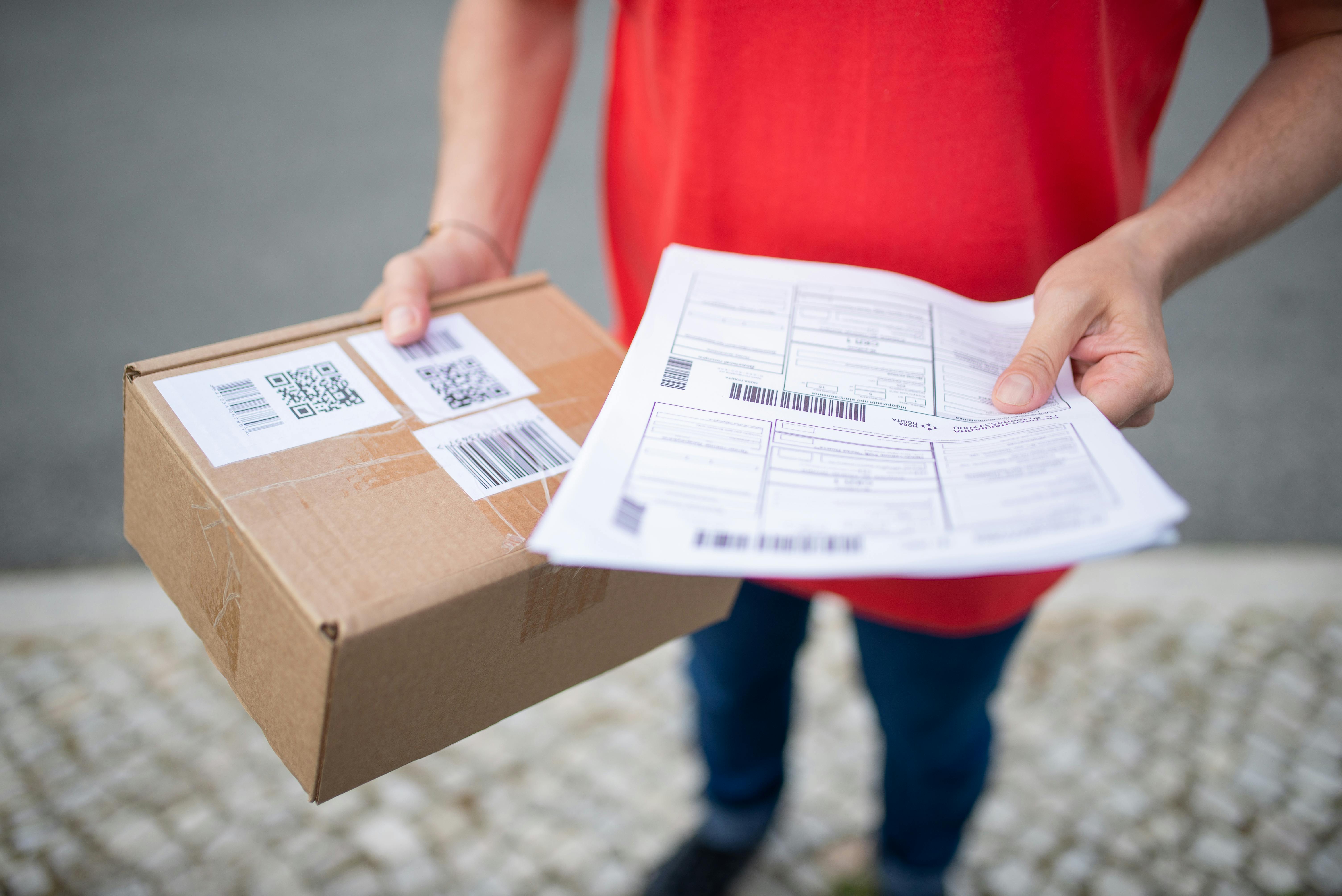
 Table of content
 Share
Share