Adobe announced its acquisition of Semrush for $1.9 billion in all-cash—marking its first major acquisition since its failed $20 billion Figma deal, which collapsed in December 2023 when regulators raised antitrust concerns. Unlike Figma, Semrush faces lower regulatory risk since Adobe has no competing SEO product to protect. The offer of $12 per share sent Semrush shares up 74 percent on record trading, signaling Adobe’s bet that search visibility in the AI era is now essential for marketers. As generative AI platforms become primary discovery channels, brands need tools that measure visibility beyond Google. Here’s what it all means.
SEO Landscape Fragmentation
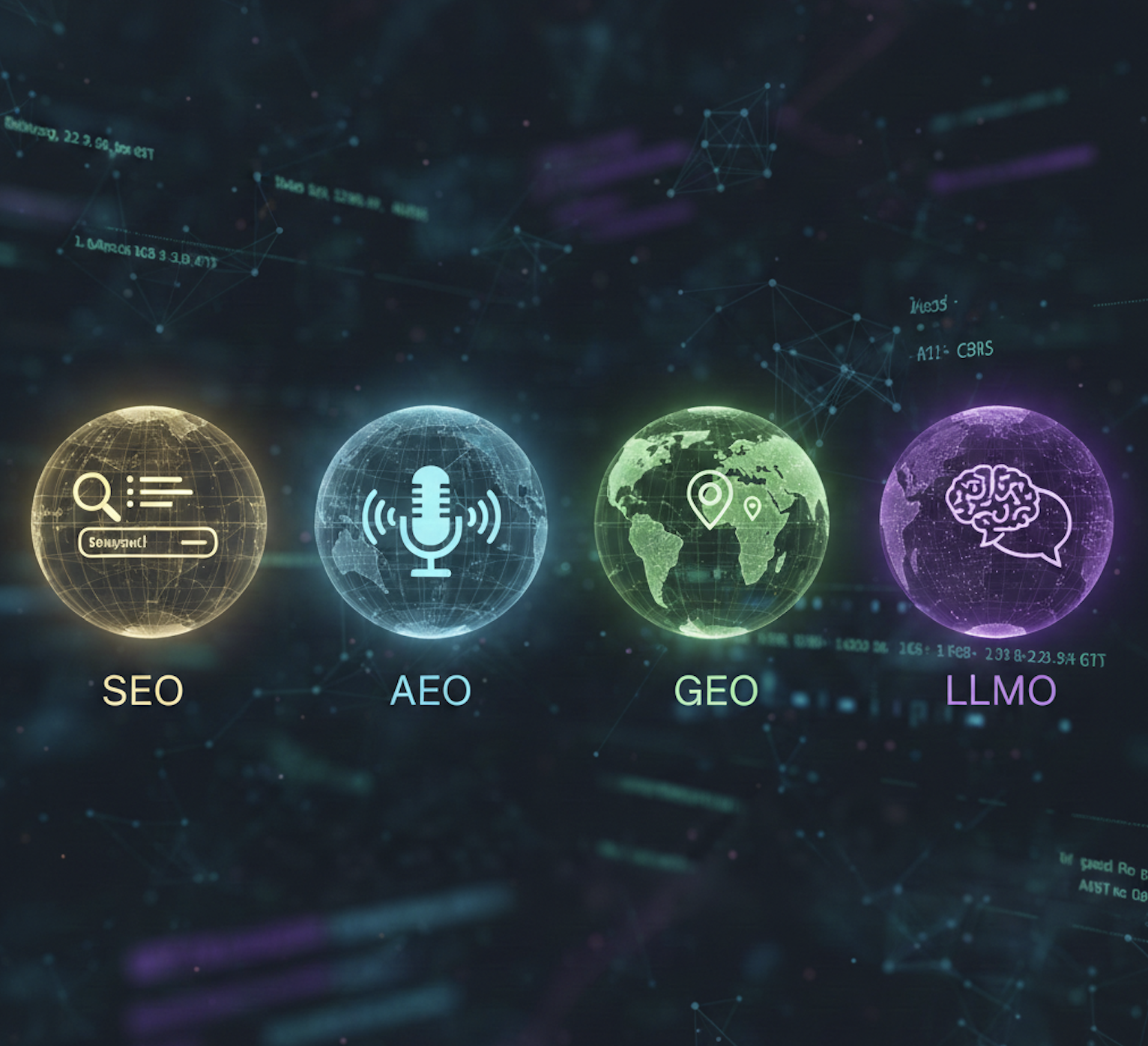
For SEOs, this is a game-changer. With Generative AI products like ChatGPT, Gemini, and Perplexity are going to be core discovery mechanisms, Google is no longer the main navigator in town.
AI models are trained on your content and making recommendations without directing users to your site
Traditional SEO metrics (domain authority, keyword rankings, backlinks) now measure an incomplete picture of brand visibility
An SEO strategy focused solely on Google rankings misses the channels where competitors are already capturing share of voice
What Does This Mean for Semrush Users?
For those who use Semrush for SEO audits, competitive analysis, or keyword research, the big question is: what will change?
For the short-term future, not too much. Semrush will remain available as a stand-alone product under CEO Bill Wagner until integration plans are determined. The combined offering will give marketers “a holistic understanding of how their brands appear across owned channels, large language models (LLMs), traditional search and the wider web” as noted by Anil Chakravarthy, President of Digital Experience Business at Adobe. Think of it as graduating from a tool that optimizes your presence in Google to a tool that optimizes your presence everywhere your customers are looking—including in AI chatbots.
What to Watch for
Adobe has explicitly committed to integrating GEO data with Adobe Analytics, Brand Concierge, and Experience Manager. If you’re a Semrush user, here’s what to monitor as integration unfolds:
Unified dashboards: Will Semrush reports populate alongside Adobe Analytics dashboards, or stay siloed?
API connectivity: Does Adobe open Semrush data to third-party tools (Slack, Looker)?
Real-time reporting: Can you get GEO insights in real-time, or batch data only?
Custom reporting: Can you combine Semrush GEO with Adobe Analytics conversion data?
When Adobe acquired Marketo in 2018, for instance, it changed the name to “Adobe Marketo Engage” and repositioned it in Adobe’s overall product suite. Marketo doesn’t really exist as its own brand anymore—it’s now just one app within Adobe’s larger product cloud.
Signals to consider:
Branding: Do they remain “Semrush” or do they evolve to “Adobe Semrush” or perhaps fold into another product name?
Product roadmap independence: Do they continue to ship their own roadmap of features, or get realigned with the larger Adobe strategy?
Standalone positioning: Will you still buy Semrush as an independent product, or does it become bundled/repositioned within Adobe Marketing Cloud?
Community and identity: Does Semrush maintain its own user community, support team, and brand voice—or consolidate into Adobe operations?
For Small Business Marketers
Semrush’s strength has always been making professional-grade SEO tools accessible to small teams. Its interface doesn’t require a dedicated data scientist to use. But GEO is more complex—it involves measuring visibility across multiple AI platforms, each with different indexing rules and recommendation algorithms. The real question: Will Adobe maintain Semrush’s simplicity, or will GEO features be positioned as an advanced enterprise capability requiring dedicated resources?
What You Should Do Right Now
Don’t wait for integration details to clarify. Start preparing:
Audit your current visibility: Get a baseline of where you appear in Google search results for key terms. Understand your current SEO performance before things change.
Monitor AI recommendations: Search for your products/services in ChatGPT, Gemini, Perplexity, and Claude. Does your website get recommended? Take screenshots as baseline data.
Set budget aside for potential changes: Your Semrush pricing could go up slightly in the next 18 months. Keep that in mind when making your 2026 marketing budget, and identify alternative competitors to Semrush (Ahrefs, SE Ranking, Moz) in case pricing becomes prohibitive post-acquisition.
Remain updated: Create a Google alert for Adobe announcements and pricing/product changes to Semrush. Subscribe to Semrush community pages to stay current with any changes.
Learn more about generative engine optimization and how LLMs are reshaping content discovery in our comprehensive guide to GEO and LLM Optimization strategies.
For Agencies and Enterprise Marketers
If you work at an agency or marketing department already invested in Adobe’s Creative Cloud or Experience Manager, this acquisition starts to look like a missing piece. Adobe has covered content creation (Creative Suite), customer data and analytics (Adobe Analytics), and marketing automation (Marketo).
Bill Wagner, Semrush’s CEO, noted that “With the advent of LLMs and AI-driven search, brands need to understand where and how their customers are engaging in these new channels. This combination provides marketers more insights and capabilities to increase their discoverability across today’s evolving digital landscape.”
Moving Forward
Your Semrush data isn’t going anywhere. What’s shifting is the landscape around it. For Semrush users, it’ll be imperative to stay informed on Adobe’s product roadmap.For everyone else, GEO should be part of your SEO strategy moving forward. Begin exploring how your content appears in AI platforms like ChatGPT and Gemini. When Semrush’s GEO tools become available through Adobe, you’ll be better positioned to measure and optimize across both traditional and AI search.

 Table of content
 Share
Share